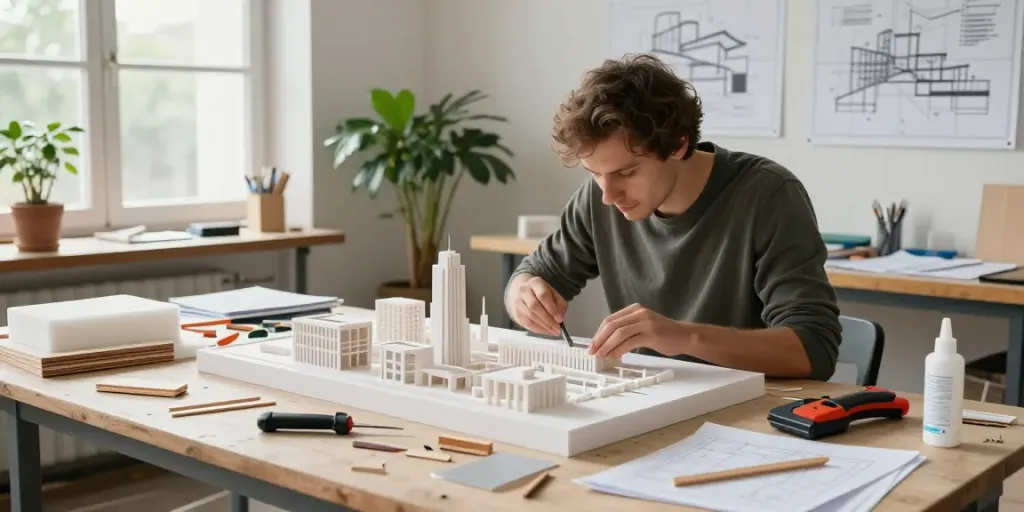
The Importance of Architectural Model Making in Italy
Architectural model making in Italy is not just about creating miniature representations of structures; it is about enhancing the design process, facilitating communication, and serving as a vital tool for stakeholders in the architectural landscape. These models help in visualizing concepts that might otherwise remain abstract, making them critical in both the design and planning stages of projects. The unique blend of Italy’s rich heritage and modern technology has positioned architectural model makers as essential contributors to the evolution of architectural practices throughout the country. When exploring options, Architectural model maker Italy provides comprehensive insights into these practices.
Why Models are Critical in Design and Planning?
Architectural models are indispensable at nearly every stage of design and planning. These physical or digital representations allow architects and clients to better understand spatial relationships, form, and volume. They serve as tangible examples that can be manipulated and discussed, bridging the gap between theoretical designs and practical applications.
Bridging the Gap Between Concept and Reality
One of the foremost benefits of architectural model making is its ability to turn ideas into visible forms. Clients, stakeholders, and regulatory authorities often struggle to comprehend abstract plans. A model provides a physical dimension to these plans, enabling clearer communication and easier validation of concepts before construction begins.
Enhancing Communication for Stakeholders
Effective communication among stakeholders is crucial in any architectural project. Models act as a universal language that transcends technical jargon, allowing architects, engineers, and clients to engage in meaningful discussions. This collaborative environment fosters creativity and innovation, resulting in designs that are not only functional but also aesthetically pleasing.
Types of Architectural Models We Build
At our facility, we pride ourselves on creating a diverse array of architectural models tailored to our clients' specific needs. From detailed physical representations to sophisticated digital simulations, our models encompass various techniques and materials.
Physical Models: From Concept to Reality
Physical models are quintessential in the architectural process. They enable a detailed study of the design's intricacies and provide an accurate representation of how the final structure might appear in its environment. These models can range from small-scale prototypes to large, intricate representations that include landscaping and surrounding buildings.
Digital Models: The New Frontier in Visualizations
With advancements in technology, digital models have become increasingly popular. Utilizing software like Autodesk Revit or SketchUp, these digital representations offer dynamic, interactive experiences. They can easily integrate changes, provide real-time updates, and facilitate virtual walkthroughs, giving stakeholders a vivid preview of the architectural vision.
Hybrid Models: Merging Digital and Physical Worlds
Hybrid models combine the best of both worlds, using digital techniques to inform and enhance physical models. This approach allows architects to create complex designs that can be quickly adjusted and visualized while still maintaining the tactile benefits of a physical model. This versatility makes them particularly valuable in presentations and exhibitions.
Materials and Techniques in Model Making
The choice of materials and techniques in architectural model making greatly influences the quality and durability of the final product. Our approach integrates traditional craftsmanship with modern technology, ensuring that each model not only meets aesthetic expectations but also stands the test of time.
Traditional Materials Used by Architectural Model Makers Italy
Wood, acrylic, and cardboard have long been the staples of architectural model making. Each material brings unique characteristics to the model's final look and feel. For instance, wood imbues projects with warmth and authenticity, while acrylic allows for transparency and a modern finish. Cardboard is often used for prototyping due to its ease of manipulation and cost-effectiveness.
Innovative Technologies in Model Creation
As the field evolves, so does the technology used in architectural model making. Techniques such as 3D printing are revolutionizing how models are produced, enabling complex designs that would be labor-intensive or impossible to create through traditional methods. This technology allows for rapid prototyping and adjustments, making the process more efficient.
Sustainability: Eco-Friendly Practices in Model Making
In response to growing environmental concerns, many architectural model makers are incorporating sustainable practices into their workflows. This includes using recycled materials, employing energy-efficient manufacturing techniques, and minimizing waste during production. By adopting an eco-friendly approach, model makers can significantly reduce their carbon footprint while still providing high-quality products.
Delivering Models Across Italy and Europe
We understand that timely and secure delivery of architectural models is critical for our clients, regardless of their location. Our logistics team is dedicated to ensuring that every model reaches its destination in perfect condition.
Our Commitment to Secure Deliveries
Ensuring models arrive safely requires meticulous attention to packaging and handling. Each model is securely packed to prevent damage during transit, ensuring that it remains in pristine condition upon arrival. Our commitment to quality control extends beyond production into the delivery phase as well.
Logistics: How We Get Models to Clients
We employ a range of logistics solutions tailored to meet the needs of our clients across Italy and Europe. This flexibility allows us to optimize delivery times and costs, ensuring our clients receive their models when they need them. Whether shipping locally to Rome or internationally, our processes are designed for efficiency.
Local and International Reach: Expanding Our Services
Our services are not limited to Italy alone; we also cater to clients across Europe. This international reach allows us to engage in larger projects and collaborate with architects and developers who are paving the way for future innovations in design.
Case Studies: Architectural Models in Italy
Our portfolio includes numerous successful case studies highlighting the effectiveness of architectural models in various applications. Each project provides insights into the unique challenges and solutions we offered to our clients.
Successful Projects in Urban Planning
One notable project involved the development of a new urban district in Milan. Our models were instrumental in visualizing the scale and impact of proposed buildings and public spaces, aiding city planners in their decision-making process. The final design received positive feedback from stakeholders and the community alike.
Real Estate Ventures That Benefited from Models
In the highly competitive real estate market of Naples, our architectural models provided a significant advantage for developers. By showcasing the potential of new properties through detailed, high-quality models, our clients were able to attract investors and buyers, resulting in quicker sales and higher returns on investment.
Industry Partnerships and Collaborative Successes
Collaboration is key in architecture. We have partnered with leading architectural firms on various projects, combining our model-making expertise with their creative visions. These partnerships have yielded innovative designs that effectively leverage model-making technology to enhance the overall architectural experience.
What are the common misconceptions about architectural model making?
Many people perceive architectural model making as a straightforward task with little complexity. In reality, it involves an intricate understanding of design principles, materials, and techniques. Models must accurately convey the original vision while also being structurally sound and visually appealing.
Who are key players in Italy's architectural model making industry?
Italy's architectural model making industry is rich with skilled professionals and companies dedicated to craftsmanship and innovation. From established firms to emerging artisans, the landscape is diverse, promoting a collaborative spirit that pushes the boundaries of design.
What techniques are essential for high-quality architectural models?
Key techniques include precision cutting, layering, and finishing to achieve realistic textures and details. Mastery of these techniques allows model makers to produce work that accurately reflects the architect's vision while also standing up to scrutiny in competitive environments.
How have technology advancements changed architectural model making?
Technology has significantly changed the landscape of architectural model making. Tools like laser cutting and 3D printing not only enhance precision but also allow for greater design complexity. As these technologies become more accessible, they are increasingly incorporated into the model-making process, resulting in higher quality and faster production times.
Why choose a local architectural model maker in Italy?
Choosing a local architectural model maker offers numerous advantages, including a better understanding of regional architectural styles, materials, and regulations. Furthermore, working with a local expert facilitates collaboration and more personalized service, ultimately leading to superior results.
Conclusion
Architectural model making in Italy is an art form that seamlessly blends tradition with innovation. It serves not only as a tool for visualization but as an essential component in the design process, offering critical insights that shape the future of architecture. The commitment to quality and sustainability in model making is evident in every project we undertake, regardless of its scale. As the design landscape evolves, so too will the role of architectural models, continuing to bridge the gap between dreams and reality. Contact us today to discuss your next architectural model project and experience the seamless blend of tradition and modernity that defines Italian architecture!