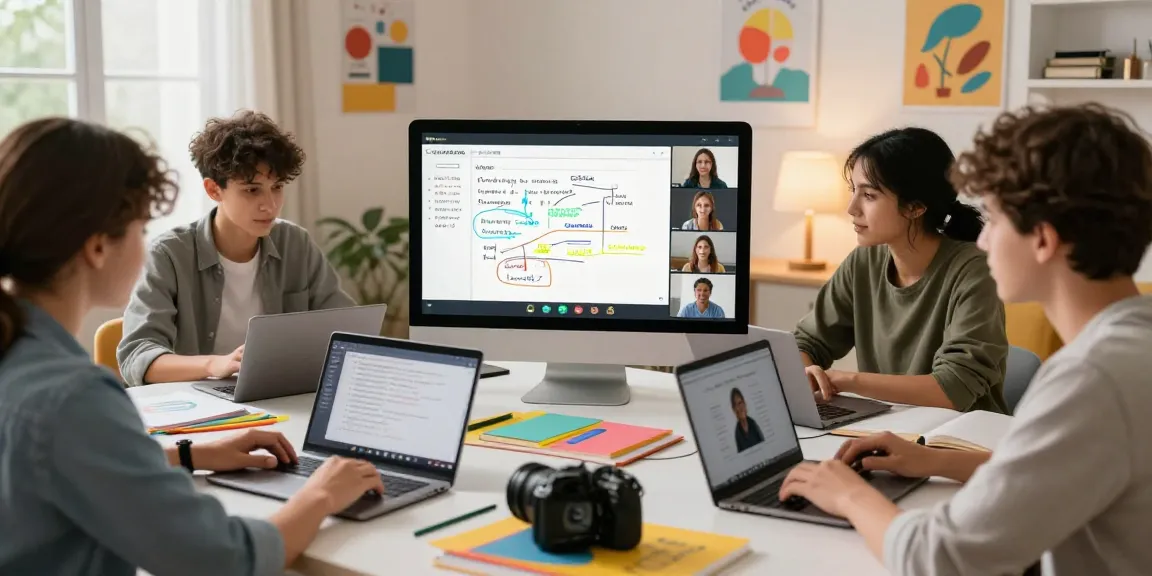
The Evolution of Online Learning in 2026
As we step into 2026, the landscape of online learning continues to evolve, reflecting the rapid advancements in technology and shifts in educational paradigms. In a world where digital interactions increasingly dominate our lives, online education has transformed from a supplementary resource into a robust platform for comprehensive learning. This article explores the current trends, challenges, and future predictions that define the evolving realm of online education, equipping learners and educators alike with valuable insights to thrive in this digital age. When looking for effective approaches to navigate these changes, learn more about innovative strategies and resources available today.
Understanding the Current Landscape of Education Technologies
The current landscape of education technologies is characterized by a plethora of tools and platforms designed to facilitate online learning. From Learning Management Systems (LMS) like Canvas and Blackboard to specialized platforms like Coursera and Udemy, the options are vast and diverse. These technologies enable educators to deliver course materials, manage assessments, and track student progress seamlessly.
Moreover, integrations with artificial intelligence (AI) enhance personalization and engagement. AI-driven platforms can analyze student interactions and predict learning outcomes, allowing for tailored educational experiences that cater to individual learning styles and needs.
How Virtual Classrooms Boost Accessibility and Engagement
One of the hallmark features of online education is the virtual classroom, which plays a crucial role in enhancing accessibility and engagement. These platforms allow students from various geographical locations to connect and interact in real-time. The rise of video conferencing tools like Zoom and Microsoft Teams has made it easier for educators to create interactive and dynamic learning environments.
Virtual classrooms eliminate geographical barriers, enabling students from remote or underserved areas to access quality education resources. Enhanced engagement is achieved through interactive features, such as polls, breakout rooms, and discussion forums, which foster collaboration and active participation among learners.
Key Trends Shaping the Future of Online Learning
- Gamification: Incorporating game-like elements into learning experiences to motivate and engage students.
- Microlearning: Short, focused segments of learning content delivered for quick consumption.
- Hybrid Learning Models: Combining online and in-person instruction to provide flexible education options.
- Increased Focus on Skills-Based Training: Emphasizing practical skills pertinent to industry demands through targeted online programs.
Strategies for Enhancing Learning Efficiency
Time Management Techniques for Students in Virtual Environments
Time management is a crucial component of success in online learning environments. Students are often faced with the challenge of balancing coursework with personal responsibilities. Implementing effective time management techniques can significantly enhance learning efficiency. Techniques such as the Pomodoro Technique—where students study for concentrated bursts, followed by short breaks—can help maintain focus and prevent burnout.
Additionally, creating a structured daily schedule that allocates specific time slots for studying, attending virtual classes, and completing assignments can aid in prioritizing tasks effectively.
Utilizing Collaborative Tools to Learn More Effectively
Collaboration is at the core of effective learning in online settings. Leveraging collaborative tools such as Google Workspace, Trello, and Slack can enhance communication and teamwork among students. These platforms facilitate group projects, discussions, and peer reviews, which are essential for developing critical thinking and problem-solving skills.
Engaging with peers not only enriches the learning experience but also helps build a sense of community, which is often lacking in online education.
Incorporating Multimedia Elements to Enhance Retention
The integration of multimedia elements—videos, infographics, and podcasts—into learning materials has shown to significantly improve retention rates. Diverse content formats cater to varying learning preferences and can make complex topics more digestible.
Utilizing platforms like YouTube for educational content or creating interactive presentations using tools like Prezi can enhance engagement and facilitate a better understanding of the subject matter.
Overcoming Common Challenges in Online Education
Addressing Distractions and Maintaining Focus During Studies
Online learning can present numerous distractions, making it challenging for students to concentrate during their studies. Establishing a dedicated study space free from distractions is crucial. Moreover, setting boundaries with family or housemates during study times encourages a more focused learning environment.
Students should also consider using website blockers to minimize distractions from social media and other non-essential sites. Techniques such as mindfulness and meditation can also help improve focus and concentration levels.
Building a Supportive Online Learning Community
Creating a sense of belonging and support within online education is vital for student success. Educators can foster community by encouraging open communication and providing platforms for students to share experiences and challenges. Online forums and social media groups specifically created for courses can enhance this sense of community.
Additionally, mentorship programs pairing students with upperclassmen or industry professionals can provide invaluable support and encouragement throughout the learning journey.
Strategies for Self-Motivation and Accountability
Self-motivation is often a challenge in online learning. Establishing clear goals and deadlines can help students maintain accountability. Utilizing tools like self-assessment checklists and progress tracking apps can provide constant reminders of achieved milestones and future objectives.
Regularly reviewing personal goals and celebrating small achievements can also foster a positive mindset, encouraging students to stay motivated throughout their online learning experience.
Real-World Applications and Case Studies
Successful Online Learning Programs Around the World
Numerous online learning programs have gained recognition for their innovative approaches and success rates. For example, the University of Illinois offers a comprehensive online MBA program that emphasizes experiential learning, demonstrating the effectiveness of real-world applications integrated into online education.
Additionally, the Khan Academy provides free educational resources globally, showing how accessible online education can bridge gaps in learning for students worldwide.
How Companies Are Training Employees in a Virtual Setting
Many organizations have shifted their training programs online, making use of Learning Management Systems to manage employee development. Companies like IBM and Amazon invest in continuous learning by providing employees access to a wealth of online courses tailored to skill development and career advancement.
This trend illustrates that online learning is not just for traditional students but also for corporate training and professional development, ensuring employees remain competitive in an ever-evolving job market.
Impact of Online Learning on Traditional Education Models
The rise of online learning has prompted educational institutions to reassess their traditional teaching models. Many schools and universities have begun adopting hybrid approaches, blending in-person classes with online components to enhance the flexibility and accessibility of education.
This integration allows institutions to reach a broader audience and adapt to the diverse needs of their students, fundamentally transforming the educational landscape.
Future Predictions for Online Education Beyond 2026
Emerging Technologies That Will Transform Learning Environments
As technology continues to advance, several emerging tools and technologies are poised to reshape online education. Virtual Reality (VR) and Augmented Reality (AR) are among the most significant, offering immersive learning experiences that can simulate real-world environments, providing hands-on practice without physical limitations.
These technologies have the potential to revolutionize fields such as medicine, engineering, and even the arts, allowing learners to engage with content in a way that traditional methods cannot replicate.
The Role of Artificial Intelligence in Personalized Learning
AI is set to play a pivotal role in the future of online education by facilitating personalized learning experiences. By analyzing student data and learning patterns, AI algorithms can recommend tailored content and learning paths that suit individual needs and preferences.
Such personalization not only enhances student engagement but also aims to improve educational outcomes, making learning more effective and enjoyable.
Preparing for the Future Job Market: Skills to Focus On
The future job market will require a diverse skill set, and online education will need to adapt accordingly. Skills in technology, data analysis, critical thinking, and adaptability will be paramount as industries continue to evolve. Students should focus on acquiring both soft and hard skills through targeted online courses that prepare them for the demands of the workforce.
Furthermore, lifelong learning will become increasingly important, underscoring the need for ongoing professional development through online platforms to stay relevant in a competitive job market.
What are the benefits of online learning?
Some benefits include flexibility in scheduling, increased accessibility to a wider range of courses, and the ability to learn at one’s own pace, accommodating various learning styles.
How can I stay motivated in an online course?
Setting specific goals, establishing a regular study routine, and engaging with peers can significantly enhance motivation levels.
What technologies are essential for effective online learning?
Key technologies include a stable Internet connection, a functioning computer or tablet, and access to an LMS or online course platform.
How does online learning compare to traditional classrooms?
Online learning offers greater flexibility, while traditional classrooms provide face-to-face interaction. Each method has its unique benefits tailored to different learning preferences.
What trends should we expect in education technology?
Trends include greater integration of AI, increased use of AR/VR technologies, and a shift towards hybrid learning models that combine online and in-person instruction.