Mark, a homeowner in Phoenix, noticed brown patches appearing on his Bermuda lawn each summer even though his sprinkler ran every night. Across town, Priya has a shady, small front yard that puddles after a ten-minute spray but feels dry by midweek. These are real, everyday watering headaches: overwatering here, underwatering there, and a lot of guesswork in between. This guide pairs common lawn problems with the right watering setup so you can stop guessing and get consistent results.
How often should I water my lawn — the basic rule and why it varies
The simple rule gardeners often hear is “one inch of water per week.” That’s a useful starting point, but it’s an average—your lawn may need less or more depending on soil, grass type, slope, and climate. Lawns in hot, arid regions can need that inch twice a week in peak summer; cool-season grasses may need less frequent watering in spring and fall.
Problem: grass looks wilted by evening even though you water daily. Solution: switch to deeper, less frequent watering to encourage strong roots. For most U.S. lawns the objective is 1–1.5 inches of water per week, applied in 1–2 sessions. Deep watering (20–30 minutes per station, depending on sprinkler output) once or twice weekly pushes roots down, making turf more drought tolerant.
Concrete example: in mid-summer, a clay-soil sodded Kentucky Bluegrass lawn in Minnesota might need two 30-minute sessions per week with a pop-up sprinkler that applies ~0.5 inches/hour. In contrast, a sandy soil Zoysia lawn in Arizona might need three shorter sessions.
Practical measurement tip
Set out three tuna cans in a spray pattern and run your sprinkler. Stop when the cans average one inch. That runtime is your baseline for scheduling.
Common lawn issues and the right irrigation setup
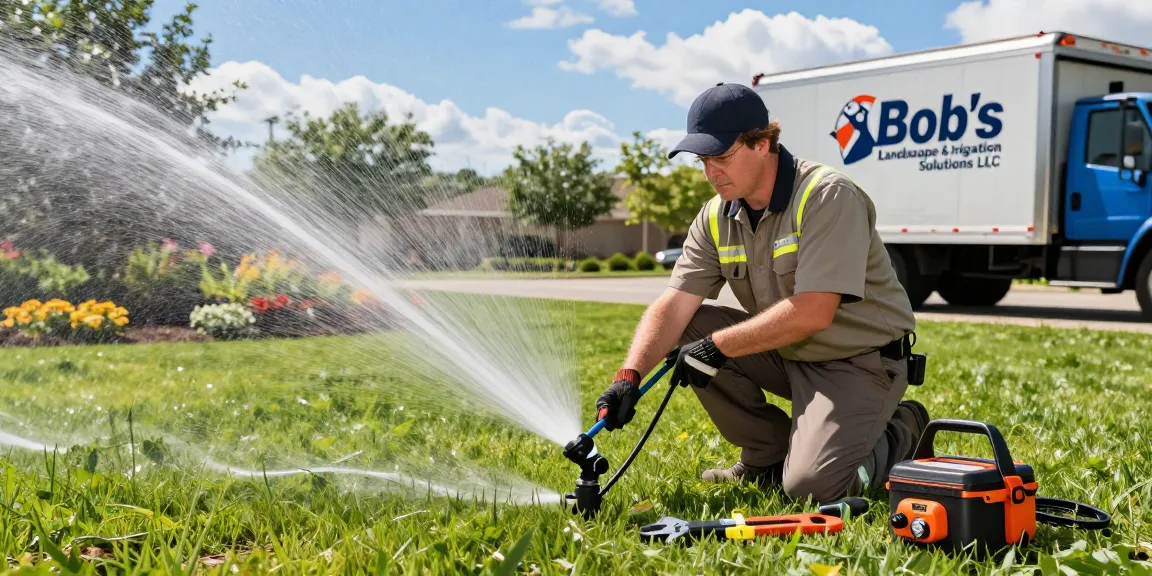
Problem: shallow roots, frequent browning, and lots of runoff. This usually means watering too often or too fast. A solution for a small lawn with compacted soil: use a DIY mobile sprinkler on a lower output and compact schedule. For larger yards, a smart in-ground controller paired with properly spaced rotor heads gives even coverage without waste.
Scenario pairing: a small, shady suburban front lawn benefits from mobile sprinklers or soaker-style border heads that apply water slowly so the small root zone soaks up moisture; a half-acre suburban plot is best served by a smart in-ground system that can zone the lawn and water in the early morning. A WiFi timer from RainPoint can handle that schedule automatically and adjust for forecast changes.
Example figure: the EPA reports that smart irrigation controllers can save up to 15% on irrigation water and, in some cases, more than 30% when paired with efficient hardware (EPA WaterSense). Using sensors and seasonal adjustments reduces unnecessary watering and runoff.
Quick match table: problem → recommended setup
ProblemRecommended setupWhy it worksSmall shaded lawn, puddlingMobile sprinklers/low-output spray nozzlesSlower application reduces runoffLarge sunny lawn, uneven growthSmart in-ground rotors + WiFi timerZone control and weather adjustmentsSandy soil, drought-proneMore frequent, shorter cycles (cycle-and-soak)Prevents deep percolation past roots
Scheduling specifics: when to water and how to set runtimes
When: Water early morning, between 4–8 AM, when evaporation is lowest and disease risk is moderate. Night watering increases fungal problems, and midday watering wastes water to evaporation.
How long: Estimate sprinkler output (inches/hour) using the tuna-can test, then set runtimes to achieve that 1–1.5 inches per week goal. If your system applies 0.5 inches/hour, you’d run two 60–90 minute sessions each week. In hot weather, increase frequency rather than duration—two shorter sessions are often better than one long soak to avoid runoff on compacted soils.
Example schedule for common lawn types (adjust by local climate):
- Cool-season grass (northern U.S.) in summer: 2 sessions/week, 30–45 minutes each session per zone.
- Warm-season grass (southern U.S.) in peak heat: 2–3 sessions/week, 30–60 minutes depending on output.
- Sandy soil: 3 sessions/week, shorter runs (cycle-and-soak) to prevent leaching.
Cycle-and-soak technique
Cycle-and-soak breaks a scheduled run into multiple short cycles (e.g., 10–15 minutes) spaced an hour apart. This lets water infiltrate and avoids runoff on slopes or compacted soils. If you want to learn how often to water your lawn for best results, this method often gives the best mix of infiltration and root watering for problem yards.
Signs you’re overwatering or underwatering — and how to fix them
Problem: persistent soggy soil, moss, or yellowing grass often points to overwatering or poor drainage. Fix: reduce frequency, shorten run times, or improve drainage with aeration. Use soaker hoses or targeted watering for flower borders to avoid saturating turf.
Problem: brown, crispy patches and footprints that don’t bounce back indicate under-watering or shallow roots. Fix: increase water depth per session to encourage root growth—water less often but longer. For vegetable gardens and potted plants, switch to drip or self-watering to deliver steady moisture at the root zone rather than surface spray.
Real example: a homeowner in Sacramento solved persistent brown rings by installing a soaker hose around flower beds and switching lawn zones to two deep sessions per week. The beds got steady moisture while the lawn developed thicker roots and recovered in six weeks.
Practical tool: a soil probe or screwdriver pushed into the soil shows moisture depth. If it’s hard to push in past 1–2 inches, the soil may be dry deeper down and needs longer watering. Universities like the extension services at state schools provide region-specific watering guidance you can consult for exact turf needs (for example, many .edu lawn care pages explain grass-specific schedules) EPA WaterSense.
Automation and monitoring: when tech actually saves time and water
Problem: you forget to change schedules between seasons or after a rainstorm. Solution: move to a smart controller that adjusts for local weather, soil type, and plant needs. RainPoint’s WiFi sprinkler timers and smart controllers can pause or shorten irrigation when rain is forecast and let you set zones for lawn vs. beds so each area gets the right amount.
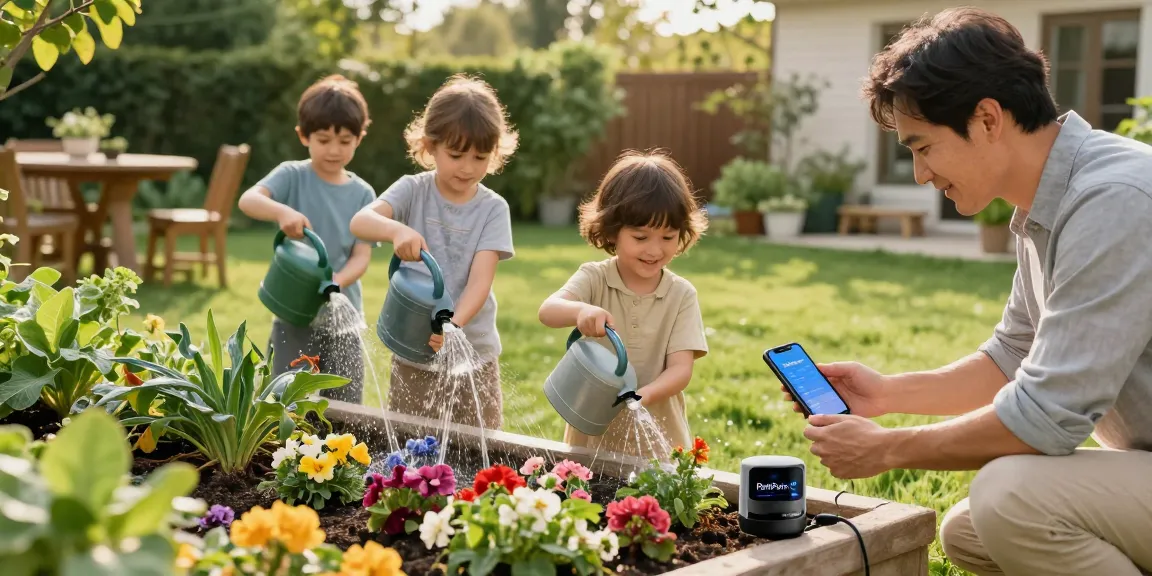
Scenario pairing: large lawns with multiple microclimates do best with a weather-aware controller. Smaller yards or renters may prefer plug-and-play mobile timers and soaker hoses for portability. For vegetable gardens and potted containers, automated drip kits and self-watering stakes deliver the consistent root-zone moisture plants crave.
Concrete savings: homeowners who upgrade to weather-based controllers often see water savings of 10–30% annually, depending on prior practices and system efficiency, as experience reported by irrigation professionals shows. That adds up to real money and healthier yards over time.
Example setup: a homeowner with a mixed property—lawn, vegetable patch, and several containers—installed a RainPoint WiFi timer for three lawn zones, a separate drip kit for the vegetable garden, and automated stakes for pots. The system cut his watering time, reduced bill spikes in summer, and maintained steadier soil moisture in the garden beds.