Understanding Custom Stainless Steel Parts
Custom stainless steel parts are critical components in a wide range of industries, providing strength, durability, and corrosion resistance. As manufacturers strive for efficiency and precision, the demand for these parts continues to rise. From architectural structures to automotive parts, the versatility of stainless steel makes it an excellent choice for custom applications. When exploring options, custom stainless steel parts offer comprehensive insights into how businesses can leverage advanced manufacturing methods to meet their specific needs.
What Are Custom Stainless Steel Parts?
Custom stainless steel parts refer to components manufactured according to specific dimensions and specifications, tailored for particular applications. Unlike standard parts, which are produced in bulk, custom parts are designed with unique features that meet the precise requirements of the end user. These parts can vary from simple brackets to complex machined components, depending on the application and industry standards.
Types of Stainless Steel Used in Manufacturing
Stainless steel is an alloy known for its corrosion resistance, strength, and aesthetic appeal. Different grades of stainless steel are utilized in manufacturing custom parts, including:
- Austenitic Stainless Steel (304, 316): The most commonly used type, known for excellent corrosion resistance and formability.
- Ferritic Stainless Steel (430): Combines good corrosion resistance with high strength, often used in automotive applications.
- Martensitic Stainless Steel (410): Known for its hardness and strength, suitable for applications requiring durability.
- Duplex Stainless Steel: A mix of austenitic and ferritic stainless steels, offering enhanced strength and resistance to stress corrosion cracking.
Benefits of Custom Stainless Steel Parts
Choosing custom stainless steel parts can deliver numerous advantages to manufacturers, including:
- Precision: Custom parts are designed to exact specifications, ensuring perfect fit and function.
- Durability: Stainless steel's inherent properties make it ideal for high-stress environments, extending the lifespan of the components.
- Corrosion Resistance: This material withstands harsh conditions, making it suitable for outdoor and industrial applications.
- Versatility: Custom parts can be designed for a wide array of applications, from medical devices to construction materials.
Manufacturing Processes for Custom Stainless Steel Parts
Understanding the manufacturing processes behind custom stainless steel parts is essential for appreciating their value in the market. Advanced machining and fabrication techniques enhance precision and efficiency.
CNC Machining: Precision at Your Fingertips
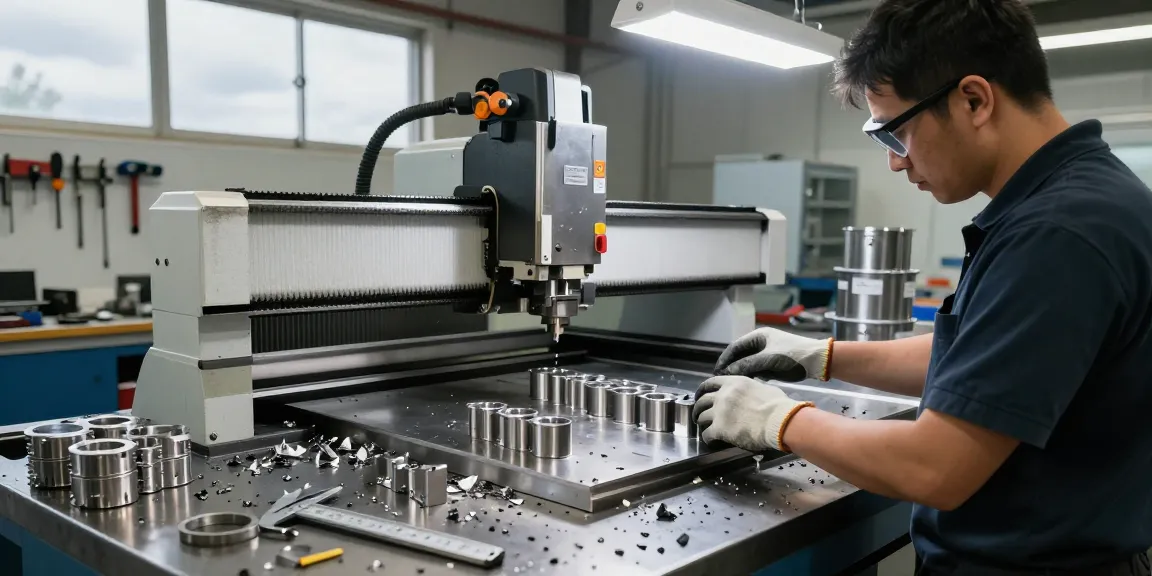
CNC (Computer Numerical Control) machining is a pivotal technology in producing custom stainless steel parts. This computer-controlled process enables manufacturers to create complex shapes and features with minimal human intervention, ensuring high accuracy and repeatability. CNC machines can handle various operations, including milling, turning, and drilling, making them ideal for custom part production.
Welding Techniques for Stainless Steel Fabrication
Welding is another critical process in the fabrication of custom stainless steel parts. Different techniques, such as TIG (Tungsten Inert Gas) and MIG (Metal Inert Gas) welding, are employed based on the thickness and type of stainless steel being used. Proper welding ensures strong joints and enhances the overall integrity of the assembled parts.
Quality Control Measures in Stainless Steel Production
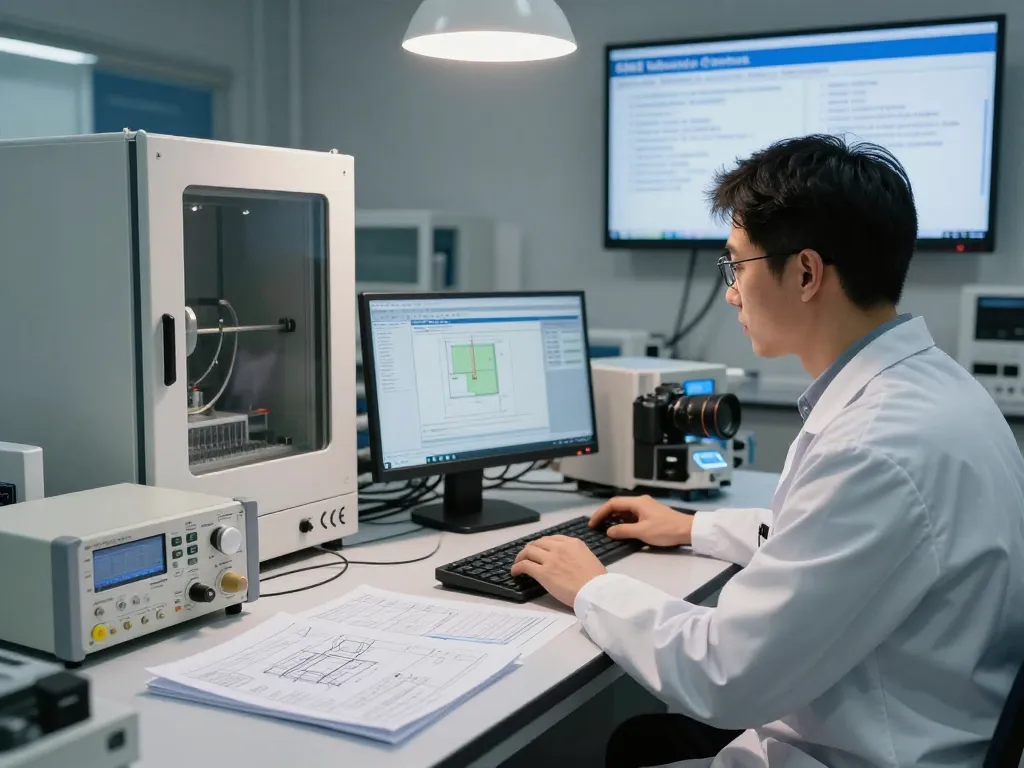
Ensuring the quality of custom stainless steel parts involves rigorous testing and inspection processes. Manufacturers typically implement quality control measures, such as:
- Visual Inspections: Checking for surface defects and inconsistencies in finish.
- Dimensional Testing: Using gauges and calipers to verify that parts meet specified dimensions.
- Non-Destructive Testing (NDT): Techniques like ultrasonic and X-ray testing to detect internal flaws without damaging the part.
Applications of Custom Stainless Steel Parts
The applications of custom stainless steel parts are vast, spanning various industries and sectors. The ability to create tailored components allows for greater innovation and efficiency.
Industries That Rely on Custom Stainless Steel Parts
Numerous industries utilize custom stainless steel parts, including:
- Aerospace: Parts created for structural integrity and weight efficiency.
- Automotive: Components that require high strength-to-weight ratios.
- Medical: Custom instruments and surgical implements that must meet strict hygiene and performance standards.
- Food Processing: Equipment resistant to corrosion and easy to clean.
Case Studies: Successful Implementations of Custom Parts
Analyzing successful implementations of custom stainless steel parts illustrates their value. For instance, in the automotive industry, a leading manufacturer developed lightweight, custom stainless steel components that improved fuel efficiency while maintaining safety standards. Similarly, in the medical field, a hospital implemented custom surgical tools designed to enhance precision and reduce patient recovery time.
Future Trends in Custom Stainless Steel Applications
The future of custom stainless steel parts looks bright, with several trends gaining traction, such as:
- Increased Automation: The rise of Industry 4.0 technologies will streamline production processes and enhance efficiency.
- Sustainability: A growing focus on eco-friendly materials and processes will drive innovation in stainless steel production.
- Advanced Materials: Research into new alloys and finishes will expand the capabilities of stainless steel parts.
Choosing the Right Supplier for Custom Stainless Steel Parts
Selecting a reliable supplier for custom stainless steel parts is crucial for quality assurance and production efficiency. Several factors should influence this decision.
Key Factors to Consider When Selecting a Supplier
When choosing a supplier, consider the following factors:
- Experience: Look for a supplier with a proven track record in producing high-quality custom stainless steel parts.
- Capabilities: Ensure the supplier has the necessary machinery and technology to meet your specific requirements.
- Lead Times: Assess the supplier's ability to meet deadlines without compromising quality.
The Importance of Certifications and Standards
Certifications play a vital role in ensuring the quality of custom stainless steel parts. Suppliers should adhere to industry standards such as ISO 9001 for quality management and AS9100 for aerospace components, ensuring products meet international quality benchmarks.
Building Long-Term Relationships with Manufacturers
Establishing long-term relationships with suppliers can lead to better collaboration, improved communication, and enhanced product development. Frequent communication allows for adjustments to be made during the manufacturing process, ensuring that the final product meets the required specifications.
Challenges in Custom Stainless Steel Parts Production
While manufacturing custom stainless steel parts offers many benefits, it also presents several challenges. Understanding these challenges can help manufacturers develop effective strategies to address them.
Common Problems Faced by Manufacturers
Manufacturers often encounter challenges such as:
- Material Sourcing: Fluctuations in stainless steel prices and availability can impact production schedules.
- Complex Designs: Custom parts with intricate designs may increase the risk of defects during production.
- Quality Assurance: Maintaining consistent quality across all batches can be demanding.
Strategies to Overcome Production Challenges
To mitigate these challenges, manufacturers can adopt strategies such as:
- Diverse Sourcing: Establish relationships with multiple suppliers to ensure material availability and competitive pricing.
- Advanced Software: Implementing CAD/CAM software can aid in more accurate designs and more efficient production processes.
- Continuous Training: Investing in employee training can improve skills and reduce the likelihood of errors.
The Future of Problem-Solving in Stainless Steel Manufacturing
As technology advances, new problem-solving methods are emerging in stainless steel manufacturing. Techniques like predictive maintenance and machine learning can help identify issues before they arise, enhancing overall productivity.
What are the common uses of custom stainless steel parts?
Common uses of custom stainless steel parts include construction materials, medical instruments, automotive components, and food processing equipment, demonstrating the versatility and strength of this material.
How is the quality of custom stainless steel parts ensured?
Quality assurance for custom stainless steel parts involves rigorous inspections, dimensional testing, and adherence to industry standards and certifications.
What advancements are expected in custom stainless steel production by 2026?
By 2026, advancements may include the integration of AI in manufacturing processes, enhancing precision and efficiency, along with the development of new stainless steel alloys that offer improved performance in specialized applications.
What factors influence the cost of custom stainless steel parts?
The cost of custom stainless steel parts is influenced by factors such as material prices, manufacturing complexity, production volume, and labor costs.
How to maintain and care for custom stainless steel parts?
Maintaining custom stainless steel parts involves regular cleaning with appropriate detergents, avoiding abrasive materials, and employing protective coatings when necessary to ensure longevity and appearance.