
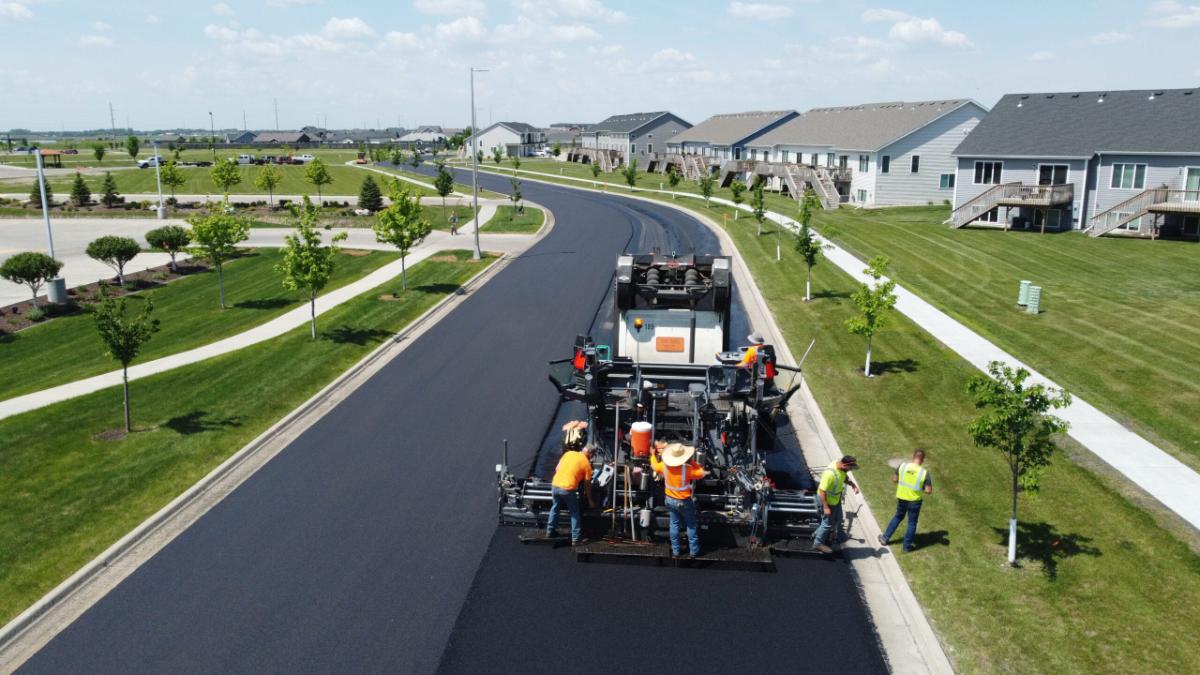
For local property managers, every square foot of pavement is a critical asset. Parking lots, driveways, and walkways are not just functional spaces; they are the first and last impression for tenants, customers, and visitors. Their condition directly impacts safety, property value, and operational costs. In Utah, where extreme temperature swings, heavy snowplow use, and freeze-thaw cycles relentlessly test paved surfaces, general contractors or DIY approaches often fall short. This is why savvy local property managers depend on specialized expertise.
This reliance isn’t about finding any vendor to lay asphalt. It’s about partnering with contractors who possess deep, localized knowledge of materials, climate challenges, and municipal codes. A poorly executed paving job can lead to rapid deterioration, constant repair bills, liability risks, and frustrated stakeholders. Specialization makes the difference between a capital expense that preserves value and one that becomes a recurring drain on resources.
This article will examine the specific reasons why this partnership is non-negotiable for professional property management. We’ll explore the technical, regulatory, and financial advantages that specialized Utah asphalt paving contractors bring to the table and how their work underpins long-term property success.
The High Cost of Inferior Paving Work
A parking lot is a significant investment. When that investment fails prematurely due to improper installation or materials, the financial repercussions extend far beyond the initial project quote. Property managers face a cascade of hidden costs that erode profitability and complicate operations.
Cracking, rutting, and potholes begin as minor issues but escalate quickly. They create tripping hazards, lead to vehicle damage claims, and necessitate frequent, disruptive patchwork repairs. Each temporary fix consumes maintenance budgets and staff time. More critically, a dilapidated lot signals neglect to current and prospective tenants, potentially affecting occupancy rates and allowing competitors to lure businesses away with better-maintained facilities.
Specialized contractors prevent these scenarios by building durability in from the start. They understand that the substrate preparation, asphalt mix design, and compaction process are as important as the surface layer. Cutting corners in any of these phases guarantees premature failure, turning a capital improvement project into a recurring liability.
Technical Expertise for Utah’s Unique Climate
Utah’s climate presents a distinct set of challenges for asphalt pavement. Summers bring intense heat that can soften asphalt, leading to rutting from parked cars. Winters introduce freeze-thaw cycles where water seeps into tiny cracks, freezes, expands, and forces the pavement apart. Add to that the abrasive impact of snowplow blades and corrosive de-icing chemicals, and it’s clear that a one-size-fits-all paving approach fails here.
Asphalt Mix Design Specifics
Specialized local contractors don’t use generic asphalt mixes. They select or formulate mixes designed for Utah’s conditions. This may involve polymer-modified binders that remain flexible in cold temperatures without softening excessively in heat. The correct aggregate gradation and binder content are critical for achieving the necessary density and stability to resist deformation. This localized knowledge of material science is not typically held by generalists.
Proper Drainage and Base Preparation
Water is asphalt’s primary enemy. Experts ensure positive drainage away from the pavement and buildings, preventing water from pooling and permeating the base. They also invest in thorough, properly compacted base preparation. A stable, well-drained base is the foundation of a long-lasting pavement surface, preventing settlement and cracking that originate from below.
Navigating Local Regulations and Compliance
Property managers carry the responsibility of ensuring their properties meet all local codes and ordinances. Paving projects are subject to a web of regulations concerning everything from stormwater runoff management and erosion control during construction to ADA (Americans with Disabilities) compliance for slopes and crosswalks.
A specialized asphalt paving Utah contractor operates with this regulatory landscape top of mind. They secure necessary permits, design plans that meet municipal stormwater requirements, and ensure finished work complies with ADA standards for accessible routes. This expertise protects the property manager from costly fines, mandated rework, and potential litigation.
Furthermore, reputable local contractors carry the required insurance and bonding. This provides critical liability protection for the property owner and manager in the unlikely event of an accident or substandard work. Working with an uninsured or unpermitted contractor transfers all that risk directly to the property management firm.
Long-Term Value and Lifecycle Cost Management
Property management is a long-term game focused on preserving and enhancing asset value. The cheapest bid is rarely the most cost-effective over a pavement’s lifecycle. Specialized contractors focus on lifecycle cost, which includes initial installation, maintenance, repairs, and eventual replacement.
A quality installation by experts extends the pavement’s serviceable life significantly. It may delay the need for major rehabilitation by years. These contractors also provide credible, data-informed maintenance plans, such as timely sealcoating and crack sealing, which are small investments that protect the larger asphalt investment.
This proactive, planned approach is far more budget-friendly than a reactive one. It allows property managers to forecast and allocate capital more accurately, avoiding emergency repairs that disrupt operations and blow annual budgets. The result is a predictable, manageable expense line item and a well-maintained property that supports higher valuations.
Enhancing Safety and Tenant Satisfaction
The condition of a property’s paved areas is a direct reflection of its management. For tenants—whether retail businesses, office occupants, or residential residents—a safe, clean, and well-maintained parking area is a fundamental expectation. It affects their daily experience and their perception of the property’s overall quality.
Specialized paving directly enhances safety. Smooth, clearly marked pavements with proper signage reduce accident risks for pedestrians and drivers. Effective striping and layout optimize traffic flow and space utilization. Prompt, professional repair of hazards demonstrates a commitment to tenant welfare, which fosters retention and positive word-of-mouth.
In commercial settings, attractive and functional paving contributes to a positive customer experience for tenant businesses. It’s an often-overlooked component of the tenant’s own success, making it a valuable point of partnership between manager and tenant.
The Partnership Advantage
Ultimately, the relationship between a local property manager and a specialized paving contractor should be a strategic partnership. It moves beyond transactional bidding to collaborative planning. A trusted contractor becomes a consultant, advising on the optimal timing for repairs versus replacement, the latest sustainable materials, and cost-effective solutions for specific problem areas.
This partnership allows property managers to focus on their core competencies—leasing, tenant relations, and operations—while relying on a vetted expert for a critical infrastructure element. It provides peace of mind, knowing that a key component of the property portfolio is in knowledgeable hands, protecting the asset and the people who use it every day.
Frequently Asked Questions
How often should a commercial parking lot be sealcoated in Utah?
In Utah’s demanding climate, a high-traffic commercial lot typically requires sealcoating every 2-3 years. This schedule can vary based on asphalt quality, traffic volume, and sun exposure. A specialized contractor can assess your specific pavement and recommend an optimal, cost-effective maintenance cycle.
Can asphalt paving be done during colder Utah months?
While possible, hot-mix asphalt paving is less effective in very cold weather. Ideal temperatures are above 50°F and rising. Specialized contractors may use warm-mix asphalt technologies or schedule non-essential work for spring through fall. Critical repairs can be made with cold mixes, but these are often temporary solutions.
What is the typical lifespan of a properly installed asphalt lot in Utah?
With expert installation and a consistent maintenance program, a commercial asphalt parking lot in Utah can last 15 to 20 years before requiring full-depth reconstruction. Neglected lots may need major work in half that time. The key is the quality of the initial installation and the rigor of ongoing maintenance.
Who is responsible for obtaining permits for a paving project?
The paving contractor should handle all necessary permits. A reputable, specialized contractor will include permitting in their project scope and cost, ensuring all work is compliant with local municipality codes. Always verify this responsibility is clearly stated in the contract.
How do I choose a reliable Utah asphalt paving contractor?
Look for contractors with extensive local experience, a portfolio of similar projects, proper licensing and insurance, and strong references. They should provide detailed, written proposals and be willing to explain their process for base preparation, mix design, and compaction specific to Utah’s conditions.
Conclusion
The dependency of local property managers on specialized Utah asphalt paving contractors is rooted in hard financial and operational realities. It is a strategic decision that prioritizes long-term asset integrity over short-term cost savings. These contractors deliver the technical expertise to combat local climate challenges, the regulatory knowledge to ensure compliance, and the quality craftsmanship that maximizes pavement lifespan.
This specialization translates directly into tangible benefits for property managers: controlled costs, reduced liability, enhanced tenant satisfaction, and preserved property value. In a competitive market, the condition of a property’s infrastructure is a silent but powerful communicator of its quality. By partnering with experts who understand the specific demands of paving in Utah, property managers secure a foundational element of their property’s success, ensuring it remains safe, functional, and valuable for years to come.